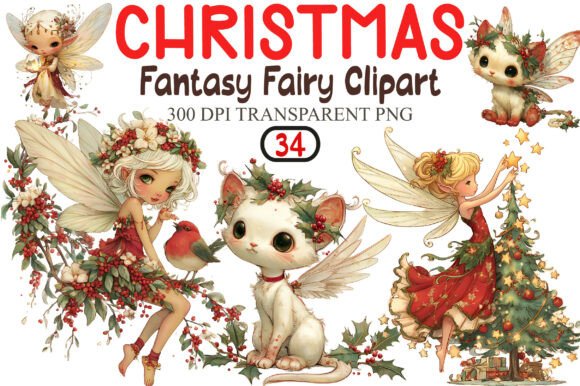
Christmas Fantasy Fairy Clipart: A Publisher’s Review of Seasonal Illustrations
In the world of digital publishing, visual hierarchy is not just an aesthetic choice; it is a functional necessity. As a blog designer and digital publisher who has spent years optimizing content for readability, click-through rates, and brand trust, I approach every graphic design asset with a critical eye. We are constantly searching for elements that do more than simply decorate—they must communicate mood, establish authority, and guide the reader’s eye through complex information. Recently, I evaluated a specific set of seasonal assets known as Christmas Fantasy Fairy Clipart. This review explores how these illustrations fit into real-world editorial workflows, from affiliate marketing blogs to educational newsletters.
The First Impression: Mood and Editorial Fit
When you first load a pack of Christmas Fantasy Fairy Clipart, the immediate question is whether it aligns with your site’s voice. In my testing, this particular style leans heavily into a whimsical, feminine, and magical aesthetic. It is not corporate, nor is it starkly minimalist. Instead, it feels artistic, playful, and distinctly seasonal. For niche bloggers in lifestyle, parenting, homeschooling, or creative entrepreneurship, this mood is highly effective. It signals warmth and creativity before the reader even processes the headline text.
The visual language here supports a "soft" editorial approach. If your website relies on bold, sans-serif typography and high-contrast geometric shapes, these fairy illustrations might feel disjointed. However, if your brand identity embraces serif fonts, pastel palettes, or hand-drawn elements, these assets can seamlessly integrate into your existing brand identity. They create an inviting atmosphere that encourages readers to linger, which is crucial for reducing bounce rates on long-form articles.
Real-World Publishing Applications
One of the most common mistakes publishers make is treating clipart as an afterthought. To maximize ROI on your design assets, you must integrate them into your core content strategy. Here is how I have successfully deployed these fairy-themed illustrations across various platforms:
- Pinterest Pins and Social Media Graphics: Pinterest is a visual search engine, and seasonal content spikes dramatically in Q4. These illustrations provide the exact kind of eye-catching, thematic imagery needed to stop the scroll. By overlaying clear, readable headlines onto backgrounds featuring these fairies, you can significantly improve your click-through potential.
- Blog Featured Images and Headers: Using these assets as hero images or article thumbnails helps establish immediate context. A post about holiday gift guides or winter crafts benefits immensely from a header that visually screams "festive magic." This consistency aids in category recognition, helping visitors instantly identify the topic of your content.
- Digital Guides and Lead Magnets: For those creating lead magnets, such as downloadable checklists or eBooks, these cliparts add perceived value. A cover page adorned with elegant fairy illustrations looks like a premium digital product rather than a generic template. This is essential for building trust and encouraging email sign-ups.
- Newsletter Banners: Email open rates depend heavily on subject lines and preview text, but the body content must also be engaging. Sprinkling these illustrations within your newsletter breaks up blocks of text and adds a touch of personality. It transforms a standard update into a curated experience.
- Affiliate Content Visuals: If you are running an affiliate marketing blog, trust is paramount. Generic stock photos can sometimes feel sterile or disconnected from the product. Customized graphics using unique creative design elements help differentiate your reviews from competitors, making your recommendations feel more personal and authentic.
Impact on Content Performance and Reader Trust
Why does this matter? Because visual communication is processed faster than text. When a visitor lands on your site, they form an opinion about its credibility within seconds. High-quality, cohesive editorial design signals that you care about your audience’s experience.
Using a consistent set of Christmas Fantasy Fairy Clipart throughout your posts creates a stronger visual identity. It ties disparate articles together under a unified theme. For example, a series of holiday recipes, DIY decor ideas, and family activity sheets will look professionally curated if they share the same visual language. This consistency improves reader trust and makes your content library feel like a polished magazine rather than a scattered collection of blog posts.
Furthermore, proper use of these assets enhances visual hierarchy. You can use smaller fairy icons as bullet points or section dividers, guiding the reader’s eye down the page naturally. This subtle guidance keeps users engaged longer, increasing the likelihood that they will read through your entire article and engage with your calls to action.
Strategic Placement and Design Best Practices
To get the most out of these web design elements, you must place them strategically. They work exceptionally well in hero images, editorial accents, and printable design resources. However, there are areas where caution is required.
Avoid using these illustrations in small mobile thumbnails where detail may become lost. The intricate nature of fairy designs often requires space to breathe. If compressed too much, they can appear muddy or cluttered. Similarly, avoid placing them on busy layouts or low-contrast backgrounds. Readability should always come first. If your background is dark, ensure the fairy elements have enough contrast to stand out, or use them as semi-transparent overlays behind white text boxes.
Be mindful of your niche. While these assets are perfect for lifestyle and creative niches, they may be inappropriate for serious professional topics, corporate finance blogs, or tech news sites. In those contexts, a more minimal visual system is preferred. Using whimsical illustrations in a formal setting can undermine your authority and confuse your audience.
Practical Publisher Notes for Implementation
Before integrating these assets into your live site, follow this checklist to ensure technical and aesthetic success:
- Test Across Devices: Preview your graphics on both desktop and mobile screens. Ensure that the focal point of the illustration remains visible on smaller viewports.
- Check Typography Pairings: Experiment with how the clipart interacts with different font styles. Try pairing the whimsical illustrations with elegant serif fonts for a classic look, or clean sans-serif fonts for a modern twist. Avoid overly decorative script fonts that may compete with the detailed artwork.
- Review File Size and Performance: Large image files can slow down your website, negatively impacting SEO and user experience. Compress your images properly using tools designed for web optimization without sacrificing quality.
- Verify Licensing: This is non-negotiable. Always confirm that you have a commercial license if you are using these assets on monetized websites, affiliate pages, or paid digital download products. Many creative marketplaces offer different tiers of licensing, so read the fine print carefully.
- Contrast and Readability Test: Place your final graphic beside your headline text. Does the text pop? Is it easy to read? If not, adjust the opacity of the illustration or add a solid background layer.
Final Thoughts on Seasonal Design Assets
In conclusion, Christmas Fantasy Fairy Clipart is a powerful tool for publishers looking to elevate their seasonal content. It offers a blend of artistic charm and editorial utility that can enhance everything from blog graphics to social media previews. By understanding where these assets fit best and adhering to best practices in placement and licensing, you can create a cohesive, professional, and engaging online presence. Whether you are refreshing your website header for the holidays or designing a new Canva template for your audience, these illustrations provide the magical touch needed to connect with your readers during the festive season.