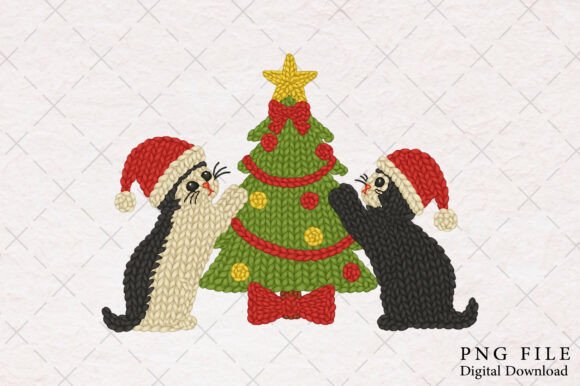
Yarn Crochet Christmas Cute Cat Png
As a designer who spends more time than I care to admit staring at stitch charts and debating thread colorways, I don’t just buy embroidery files because they look pretty on a screen. I buy them because they translate. The gap between a digital vector and a stitched reality is where most projects fail, and it is usually due to poor design choices regarding density, scale, or complexity. That is why when I evaluate a machine embroidery design, I am looking for practicality first and aesthetics second. Today, I am putting the Yarn Crochet Christmas Cute Cat Png through its paces to see if it holds up in a real-world studio environment.
The First Impression: Mood and Visual Personality
When you first load this digital embroidery file, the immediate takeaway is warmth. The "yarn crochet" aesthetic implies texture—softness, handmade imperfection, and comfort. In the world of holiday decor, this is a powerful mood setter. Unlike rigid geometric patterns or overly complex scenes that can feel cluttered when stitched, this design leans into a cozy, illustrative style. It feels like something you would find in a high-end boutique gift shop rather than a mass-produced warehouse.
The visual personality of the cat is central here. It isn’t just a generic silhouette; it has character. For an Etsy seller or small business owner, this character is your selling point. Customers don’t just buy a cat; they buy the feeling of a cute, festive companion. The layout appears balanced, suggesting that the design will sit well centered on garments or accessories without requiring excessive cropping or awkward placement adjustments.
Real-World Application: From Screen to Stitch
Let’s talk about where this design actually lives. I imagine this embroidery project shining brightest on specific product categories. The primary use case that jumps out is custom apparel, specifically sweatshirts and hoodies. The yarn-like texture of the design complements the soft fleece interior of these garments perfectly. When stitched onto a cream or charcoal sweatshirt, the thread colors can pop without feeling aggressive.
Beyond apparel, this embroidery file is a strong candidate for home goods. A pillow cover or a kitchen towel featuring this motif could easily become a bestseller during the holiday season. The "cute" factor plays well in nursery decor as well, making it suitable for baby onesies or burp cloths. However, the size matters immensely here. If you are scaling this down for a tiny baby item, you need to be careful with the detail level. But for a standard 5x7 or larger hoop size, the details should hold their own.
I also see potential in branded merchandise. Imagine this on a tote bag design for a local coffee shop or a craft fair booth banner. The handmade product appeal is high, which helps justify a premium price point. Buyers are willing to pay more for items that look thoughtfully designed rather than generically stamped.
Technical Considerations and Fabric Choices
Not all fabrics are created equal, and this machine embroidery design has preferences. Because the design mimics yarn and crochet, it likely relies on fill stitches to create that textured look. This means you need a fabric that can support that density without puckering. Woven cottons, denim, and heavy canvas are ideal. These materials provide the stability needed for a clean finish.
Conversely, there are places where you should exercise caution. Stretchy knits, unless stabilized properly, can distort the shape of the cat, making it look warped after washing. Thin fabrics might show the backing too prominently, ruining the illusion of the yarn texture. Additionally, dark fabrics require a higher quality underlay or a cut-applique base to ensure the bright thread colors stand out clearly against the background. If you are stitching on a black cap, you need to ensure your thread colors have enough contrast, or the design will get lost in the weave.
Another critical factor is the hoop size. While the prompt doesn't specify exact dimensions, designs with intricate "crochet" loops can sometimes lose definition if the stitch count is too high for the available space. Always test the stitch density on scrap fabric first. If the stitches are too close together, the fabric will pucker. If they are too far apart, the "yarn" effect will look sparse and cheap.
Where to Be Careful
- Small Hoop Sizes: Avoid using this on very small areas like cuff bands or tiny hat patches unless you have verified the detail retention. Tiny running stitches can merge into blobs.
- Textured Fabrics: Bouclé or heavy tweed can hide the fine details of the cat’s face. Stick to smoother surfaces for maximum clarity.
- Curved Surfaces: Embroidering on caps or curved mugs requires specialized hoops. Ensure the design path follows the curve naturally, or it will look distorted.
- Frequent Washing: If this is for a commercial item that will be washed often, consider the durability of the satin stitch edges. High-friction areas may fray if the tension isn't perfect.
Design Judgment: Value and Professionalism
From a branding perspective, this illustrations-style design elevates the perceived value of your finished product. It signals attention to detail. When a customer sees a well-executed embroidered patch or custom apparel piece, they trust the maker. They assume that if the cat is stitched well, the rest of the garment is made well too. This builds customer trust and encourages repeat business.
The design also aids in buyer engagement. In a sea of generic holiday clips, a unique, character-driven design stops the scroll. For digital product sellers creating printable mockups, this image works beautifully because it conveys emotion instantly. It fits the current trend toward "cozy core" aesthetics, which is dominating social media feeds right now.
Practical Designer Notes for Implementation
Before you hit the start button on your machine, follow these steps to ensure success:
- Test on Scrap: Never go straight to your final product. Stitch this out on the actual fabric type you plan to use. Check for puckering, thread breaks, or color bleeding.
- Check Contrast: View your design in black and white. Does the cat still read clearly? If not, adjust your thread colors or add a contrasting background applique.
- Stabilizer Selection: Use a tear-away stabilizer for wovens and a cut-away for knits. The wrong stabilizer choice can ruin the crispness of the fill stitch areas.
- Inspect Details: Zoom in on the digital file. Are there any tiny elements that might get lost? You may need to simplify the design slightly for better stitch-out results.
- Verify Licensing: If you intend to sell the finished items, confirm the commercial embroidery license terms. Some digital assets allow personal use only, while others permit limited commercial sales.
Final Verdict
The Yarn Crochet Christmas Cute Cat Png is a strong contender for anyone looking to add a touch of whimsy and warmth to their holiday collection. It bridges the gap between digital illustration and tangible craft effectively. It is versatile enough for personalized gifts yet professional enough for boutique branding. Just remember that the magic happens in the execution. With proper fabric choice, correct stabilization, and a test run, this design can transform a simple tote bag or sweatshirt into a cherished keepsake. It is a smart addition to your library of design assets, ready to help you create memorable handmade products this season.